
Home › Chemical Directory › Acids & Bases › Sodium Hydroxide
Sodium Hydroxide (NaOH)
Properties, Uses, Applications and Safety Information
Caustic soda; vital for soap, paper and petroleum refining.
⚗️FormulaNaOH
🔗CAS Number1310-73-2
⚛️Molecular Weight40.00 g/mol
Chemical Identification
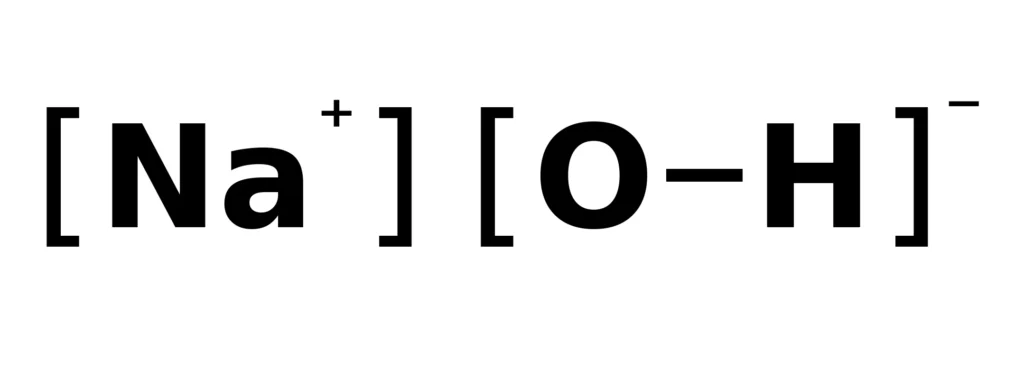
Molecular Structure (NaOH)
| Chemical Name | Sodium Hydroxide |
| Formula | NaOH |
| CAS Number | 1310-73-2 |
| Molecular Weight | 40.00 g/mol |
| IUPAC Name | Sodium hydroxide |
| Synonyms | Caustic soda, Lye, Sodium hydrate |
Physical & Chemical Properties
⚗️AppearanceWhite solid (pellets or flakes)
👃OdorOdorless
🌡️Melting Point318 °C
🔥Boiling Point1,388 °C
⚖️Density2.13 g/cm³ (solid)
💧SolubilityVery soluble in water (111 g per 100 mL at 20 °C)
🧪pH (in solution)About 14 (1 M solution)
✨Flash PointNot flammable
🛡️StabilityStable under normal conditions; strongly corrosive, absorbs moisture and carbon dioxide from air
📊LogP (octanol/water)Not applicable (ionic compound)
Uses & Applications
🧪
Soap & Detergents
Saponification of fats and oils into soap
🏭
Paper & Pulp
Pulping and bleaching of wood fibers
💧
Chemical Processing
pH control, alumina refining by the Bayer process and biodiesel production
🔬
Water Treatment
Neutralizes acidic wastewater.
Safety & Handling
🛡️ Safety & Handling
- Corrosive; causes severe skin burns and serious eye damage. Dissolving it in water releases much heat; always add caustic to water, never the reverse. Store in sealed, corrosion-resistant containers; it absorbs moisture and carbon dioxide from air. Wear alkali-resistant gloves, goggles and a face shield.
📄
Safety Data Sheet (SDS)
View the official SDS for detailed safety information.
SDS available on request⚠️ Educational information only — always consult the chemical-specific Safety Data Sheet (SDS) and qualified professionals before handling.
Related Articles
View All Articles →


📖
Is Citric Acid Safe for Septic Tanks?
Citric acid is commonly used for household cleaning, but is it safe to use if your home relies on a […]
Read Full Article →